

At Eye See Optique Arlington, atropine therapy is one of several medically guided options used to help manage progressive childhood myopia. This treatment does not replace glasses or contact lenses; instead, it supports a long-term strategy aimed at slowing the rate at which nearsightedness changes.

What Is Low-Dose Atropine?
Low-dose atropine is a diluted form of a long-established medication used in eye care. At this concentration, the eye drops are specifically formulated for managing myopia progression in children. The dosage is low enough to minimize side effects while still influencing eye development.
Atropine does not cure myopia or eliminate the need for vision correction, but research shows it can help slow the rate of prescription changes in children when used consistently and under medical supervision.
How Atropine Supports Eye Health
Myopia tends to progress as the eye grows longer, increasing the risk of certain eye health concerns later in life. Low-dose atropine drops help by gently affecting the biochemical processes that contribute to eye growth.
Over time, this can reduce the pace of progression, supporting healthier vision development during key childhood years. Because responses vary, atropine therapy is monitored closely, and your child’s treatment plan may be adjusted based on changes observed during follow-up visits.
Is Atropine Drops Right for Your Child?
Atropine therapy is recommended only after a detailed review of your child’s vision history, eye health, and rate of progression. During a myopia management evaluation, we compare past prescriptions, assess refractive changes, and use diagnostic tools to understand whether the eye is elongating more quickly than expected.
Age, daily visual demands, and your child’s ability to follow a treatment schedule are all considered when determining if atropine is a clinically suitable option. If it is not the right approach, we will explain why and discuss alternative strategies.
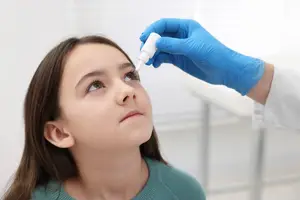

Using Atropine Drops at Home
When prescribed, low-dose atropine is typically used once daily. We review how to apply the drops, what to expect during the initial adjustment period, and how to identify changes to report to our office.
Most children tolerate treatment well, though mild light sensitivity or near-vision blur can occur in the early stages. Consistent use is essential for effectiveness, and we will provide clear guidance to help your child use the medication comfortably as part of their routine.
Follow-Up and Ongoing Monitoring
Because responses to atropine therapy vary, ongoing monitoring is critical to care. Follow-up visits allow us to:
- Track prescription changes
- Evaluate eye growth patterns
- Ensure the treatment remains appropriate
If progression slows, continues, or changes direction, we may recommend adjustments to the myopia management plan.
Questions About Using Atropine Drops
How long does atropine therapy typically last? Most children continue atropine treatment for several years, depending on how their eyes grow and how quickly their prescription changes.
Will my child still need glasses while using atropine? Yes. Atropine does not replace vision correction. Glasses or contact lenses are still required for clear vision.
Is atropine safe for long-term use in children? Low-dose atropine has been studied extensively and is considered safe when used under medical supervision.
Can atropine be used along with other myopia treatment methods? In some cases, yes. Depending on your child’s age, progression pattern, and visual demands, atropine may be combined with other management strategies.

If you have concerns about your child’s progressing nearsightedness or want to learn more about atropine therapy, we’re here to help. A myopia management evaluation allows our Arlington optometrist to review your child’s vision, explain the treatment options, and outline what ongoing monitoring would involve.